Skip to content

Mobility & Pain Management for
Dogs & Cats

Helping your pet stay comfortable, active, and enjoying life.

Supporting Comfort, Mobility, and Quality of Life

Pets don’t always make it obvious when they’re in pain. A dog may stop jumping on the couch. A cat may hesitate before climbing the stairs. Your pet may simply be moving a little slower, sleeping more, or losing interest in activities they once loved.

These changes can be signs of pain, stiffness, arthritis, an injury, or another underlying condition.

At PetVet365, we take those changes seriously. Our veterinarians can evaluate your pet’s mobility and comfort, identify potential sources of pain, and create a personalized plan to help them feel better and stay active.

Mobility and pain management may include:

  • Evaluation for arthritis, joint pain, and other sources of discomfort
  • Personalized pain management plans
  • Medication when medically appropriate
  • Weight management and nutrition recommendations to reduce stress on joints
  • Lifestyle and activity modifications
  • Support for mobility and maintaining muscle strength
  • Monitoring chronic pain and age-related changes
  • Recovery support following injuries or procedures
  • Ongoing evaluation to adjust your pet’s care as their needs change

The goal isn’t simply to treat pain. It’s to help your pet move more comfortably, participate in the things they enjoy, and maintain a good quality of life.

vet playing with dog

Pain Management That Looks at the Whole Pet

Pain can affect much more than how your pet moves. It can change their sleep, appetite, behavior, energy, and interactions with you.

That’s why effective pain management starts with understanding what’s causing your pet’s discomfort and how it is affecting their everyday life.

During an evaluation, we may look at:

  • How your pet walks, stands, sits, and moves
  • Changes in activity or exercise tolerance
  • Difficulty with stairs, jumping, or getting up
  • Changes in behavior or temperament
  • Muscle condition and body weight
  • Joint movement and areas of tenderness
  • Your pet’s daily routines and activities at home

From there, we’ll recommend the options that make the most sense for your pet. Depending on the cause and severity of their pain, that may include medication, weight management, activity changes, nutritional support, or other appropriate treatments.

Because pain management isn’t one-size-fits-all. Your pet’s age, health, lifestyle, and individual needs all matter.

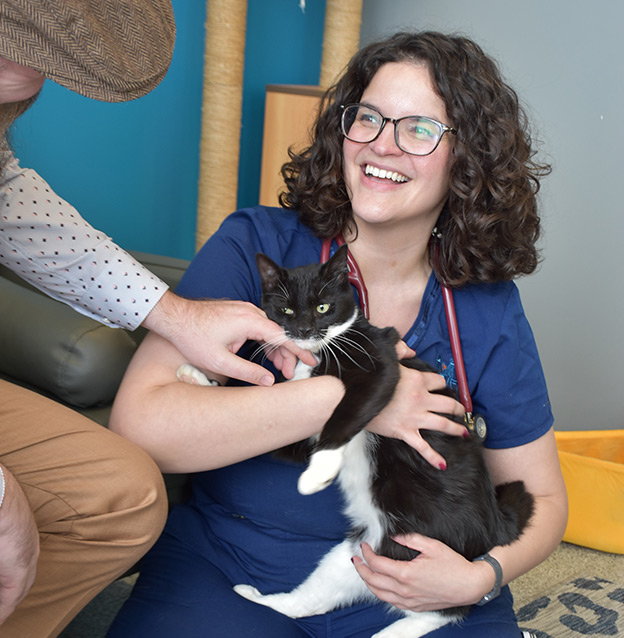
Vet with Cat
Dog

Mobility & Pain Management for Dogs

Dogs can be remarkably good at adapting to discomfort. Sometimes the first signs are subtle.


You might notice that your dog:

  • Is slower getting up or lying down
  • Hesitates before using stairs or jumping
  • No longer wants to go on long walks
  • Tires more quickly during play
  • Has trouble getting comfortable
  • Seems stiff after resting
  • Is less interested in activities they used to enjoy
  • Becomes more irritable or withdrawn

These changes shouldn’t automatically be dismissed as “just getting older.” Pain and mobility changes can have many causes, and early evaluation can help identify ways to keep your dog comfortable and active.

Cat

Mobility & Pain Management for Cats

Cats are especially good at hiding pain. Instead of limping or crying, a cat may simply change their routine.


Signs of possible pain or mobility problems can include:

  • Less jumping onto furniture or favorite spots
  • Difficulty getting into or out of the litter box
  • Spending more time sleeping or hiding
  • Reduced grooming
  • Stiffness or difficulty moving
  • Changes in appetite or behavior
  • Avoiding stairs or other activities
  • Becoming less social or interactive

Even subtle changes can be meaningful. If your cat is moving differently or no longer doing something they once enjoyed, it’s worth talking with your veterinarian.

Helping Pets Feel Better at Every Stage of Life

Mobility and pain concerns can happen at any age. A young pet may experience an injury. An adult pet may develop a joint problem. A senior pet may begin experiencing arthritis or other age-related changes.

The earlier we understand what’s happening, the more opportunities we may have to support your pet’s comfort and mobility.

For some pets, simple changes can make a meaningful difference. For others, ongoing pain management may be needed to help control a chronic condition. We’ll work with you to find an approach that fits your pet and your family.

And if your pet needs more specialized rehabilitation or therapy, your veterinarian can help determine whether additional services or a referral may be appropriate.

Vets with dog

Common Pet Parent Mobility & Pain Questions

Pain doesn’t always look like limping or crying. You may notice changes in your pet’s activity, behavior, sleep, appetite, grooming, mobility, or willingness to participate in normal activities. If something about your pet’s movement or routine has changed, it’s worth bringing it up with your veterinarian.

Arthritis becomes more common as pets age, but pain and mobility changes shouldn’t simply be accepted as an unavoidable part of getting older. There are often ways to improve comfort and help pets stay active. Your veterinarian can evaluate your pet and recommend an appropriate plan.

Not every pet with mobility changes needs medication. Treatment depends on the underlying cause, severity of discomfort, overall health, and individual needs. Your veterinarian will help determine whether medication or other approaches are appropriate.

Yes. Extra weight can place additional stress on joints and make movement more difficult, particularly for pets with arthritis or other orthopedic conditions. A veterinarian can help you develop a safe weight-management plan tailored to your pet.

Don’t wait for your pet to stop moving altogether. Changes such as slowing down, avoiding stairs, hesitating to jump, difficulty getting up, or losing interest in normal activities are good reasons to schedule an evaluation. Early attention may provide more opportunities to keep your pet comfortable and mobile.

man with dogs

Give Your Pet the Care They Deserve with PetVet365 VIP Membership

Proactive care made easier with routine exams, unlimited visits, preventive services, and member savings, all in a simple monthly plan that supports long-term health.

Explore VIP Membership Benefits